
Medical Sensors: Sensor Chips in Medical Devices
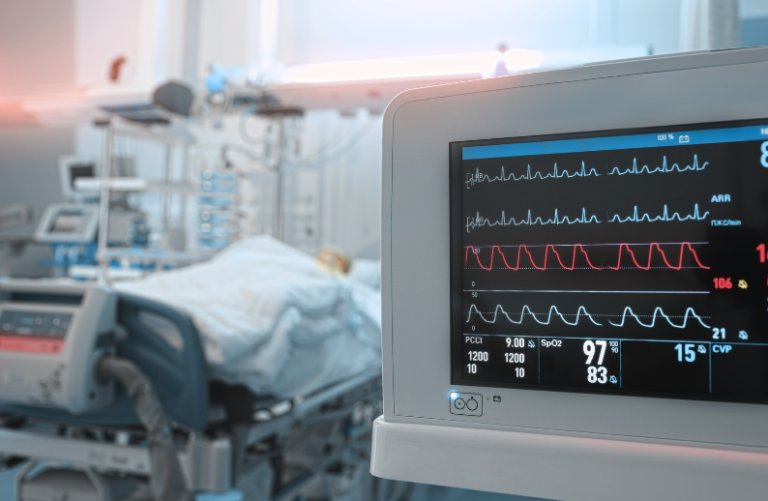
Sensor chips are semiconductors designed to convert changes in physical parameters into electrical signals. They are integral components in medical devices used to diagnose, monitor, and treat patients.
Medical sensors can measure a wide range of parameters such as temperature, pressure, oxygen levels, glucose levels, and electrical activity in the brain. These sensor chips ensure accurate and timely medical care, improve patient outcomes, and enable remote health monitoring.
Medical Sensors Innovating the Health Industry
Modern medical sensors are becoming smaller, more accurate, and more reliable. These advancements enable the development of advanced medical devices that provide faster diagnoses, better treatments, and reduced costs.
Core Capabilities of Medical Sensor Chips
Vital Signs Monitoring
Medical sensor chips make real-time monitoring of vital signs such as heart rate, blood pressure, and oxygen levels possible. This allows for early detection of potential health issues and timely interventions.
Diagnostic Precision
Advanced medical sensors provide precise and reliable data, making diagnoses more accurate.
Enhanced Imaging
Sensor chips in imaging devices like MRI and CT scanners enhance the quality of images, aiding in better diagnosis.
Surgical and Therapeutic Applications
Minimally Invasive Surgery
Medical sensors are important for minimally invasive surgical tools, providing real-time feedback and improving the precision of surgeries.
Personalized Treatments
Integrating sensor chips in medical devices has led to the development of smart medical devices, allowing for personalized treatment plans. These devices can adjust dosages based on real-time data, improving treatment outcomes.
Remote and Home-Based Health Monitoring
Remote Care
Medical sensors have led to advancements in remote health monitoring, reducing the need for frequent hospital visits and improving the management of chronic conditions.
Wearable and Home Devices
Wearable devices and home health monitors enable patients to track their health from home.
Transforming the Healthcare Landscape
Sensor chips in medical devices are continuing to innovate the healthcare industry, creating a more connected, intelligent, and efficient healthcare system.
Types of Medical Sensors
Medical devices utilize various sensor chips uniquely designed for specific applications to monitor and diagnose health conditions.
Biochemical and Gas Sensors
Biosensors
- Detect biological molecules
- Designed to sense biological samples and convert biological signals into measurable responses
Airflow Sensors
- Also known as mass airflow (MAF) sensors
- Measure the amount of air entering a system
Oxygen Sensors
- Also known as O2 sensors or lambda sensors
- Measure the proportion of oxygen in gases or liquids
Physical Condition Sensors
Pressure Sensors
- Measure the pressure of gases or liquids and converts the information into an electrical signal
- Provide precise measurements
Forse Sensors
Measure mechanical forces (load weight, tension, compression or pressure) and convert these forces into electrical signals
Temperature and Humidity Sensors
- Temperature sensors measure the temperature of an environment or object and convert this data into an electrical signal
- Humidity sensors measure the amount of moisture in the air and convert the data into an electrical signal
Positional and Magnetic Sensors
Magnetic Sensor ICs
Detect and measure magnetic fields
Position Sensors
Detect the movement or location of an object and relay this information through a signal that provides positional feedback.
Physiological Monitoring Sensors
Electrocardiogram (ECG) Sensors
- Detect the electrical activity of the heart
- Monitor heart activity
- Record electrical activity
Electroencephalogram (EEG) Sensors
- Detect the electrical impulses generated by neurons in the brain and capture them as small voltage fluctuations
- Monitor different types of brain waves such as alpha, beta, delta and theta
- Records electrical signals
Respiration Rate Sensors
- Measure the number of breaths a person takes per minute
- Detect the rise and fall of the chest or the flow of air in and out of the lungs
Sensor Chips Applications in Medical Devices
Sensor chips are important components in modern medical devices, playing an essential role in monitoring, diagnosing, and managing various health conditions. These medical sensors are designed to detect and measure different physiological parameters and provide accurate, real-time data that enhances patient care. By integrating sensor chips into medical devices, healthcare providers can ensure more precise and efficient treatments, ultimately improving patient outcomes and advancing medical technology. Let’s take a look into these different types of medical sensors and their applications in modern medical devices.
Biosensors
These medical sensors are used in medical devices that aid in:
Glucose Monitoring
Help individuals with diabetes track their blood sugar levels
Disease Detection
Detect specific biomarkers associated with diseases, enabling early diagnosis and monitoring of conditions such as cancer, infections, and cardiovascular diseases
Drug Monitoring
Monitor therapeutic drug levels and adjust dosages as needed
Wearable Health Devices
Monitor vital signs (heart rate, oxygen levels, and other physiological parameters, providing real-time health data
Airflow Sensors
Airflow sensors play a crucial role in medical devices that perform key functions such as:
Ventilation Monitoring
Measure the volume and rate of air being delivered to patients
Anesthesia Delivery
Control the flow of anesthetic gases during surgeries
Sleep Apnea Devices
Monitor and adjust the air pressure delivered to keep airways open during sleep
Heart Pumps
Measure the airflow in devices like left ventricular assist devices (LVADs)
Oxygen Sensors
Oxygen sensors are used in medical devices for functions such as:
Respiratory Monitoring
Used in devices like ventilators and oxygen concentrators to measure and regulate oxygen levels
Anesthesia Monitors
Ensure the right concentration of oxygen is maintained during anasthesia
Pulse Oximeters
Measure the oxygen saturation in patients blood
Magnetic ICs
Magnetic ICs serve several important functions in medical devices:
Position and Motion Sensing
Detect the position and movement of components within medical devices. (Can track the position of a catheter or the movement of a robotic surgical instrument.
Current Sensing
Measure the current flowing through the medical device
Proximity Sensing
Detect the presence/absence of magnetic objects (Used for safety locks and component positioning
Magnetic Resonance Imaging (MRI)
In MRI machines, magnetic ICs help to control and measure magnetic fields, ensuring accurate images
Force Sensors
These medical sensors have key functions in:
Infusion Pumps
Monitor the pressure and flow rate of fluids being delivered to ensure proper medication administration
Dialysis Machines
Measure the force applied during the filtration process
Prosthetics
Help mimic natural movements in prosthetic limbs by detecting the force exerted by the user and adjusting responses accordingly
Patient Monitoring
Used in devices such as pressure-sensitive foot insoles to diagnose gait abnormalities and in force-sensing catheters for cardiac procedures
Position Sensors
Some key applications of position sensors in medical devices include:
Patient Position
Ensure the patient is properly positioned in MRI and CT scanners and monitor any movement
Infusion Pumps
Measure cartridge position to ensure accurate delivery of medicine
Hospital Beds
Control position and elevation of hospital beds
Surgical Instruments
Provide precise feedback on the location and movement of surgical tools
Temperature Sensors
These medical sensors have a variety of functions, including:
Patient Monitoring
Track the patient’s core body temperature
Dialysis Machines
Ensure the air delivered to patients is at the correct temperature
Surgical Instruments
Used in laser surgical assemblies to maintain correct operating temperatures
Humidity Sensors
Humidity sensors play an important role in medical devices with these functions:
Respiratory Care
Maintain the correct humidity levels in respiratory devices to prevent drying out of the airways
Environmental Monitoring
Maintain optimal humidity levels in hospital environments
Electrocardiogram (ECG) Sensors
ECG sensors are essential components in medical devices with these applications:
Diagnostic Tools
ECG sensors are vital to Holter monitors and event recorders, which provide heart monitoring over extended periods
Wearable Devices
Smartwatches and Fitness trackers enabling the monitoring of heart health on the go
Hospital Equipment
Used in standard ECG machines, stress test systems and telemetry units
Electroencephalogram (EEG) Sensors
EEG sensors play an important role in medical devices including:
Diagnosing Neurological Conditions
Identify abnormal brain wave patterns to help diagnose epilepsy, sleep disorders, brain tumors and brain injuries
Monitor Brain Function
Monitor brain activity in patients with severe head injuries or those undergoing anesthesia
Respiration Rate Sensors
These medical sensors have various applications:
Ventilators
Ensure that ventilators deliver the correct amount of air to patients and adjust the flow based on breathing rate
Sleep Apnea Monitors
Detect pauses in breath during sleep, helping to diagnose and manage sleep apnea
Wearable Health Monitors
Integrated into wearable devices to provide continuous monitoring off respiratory rate
Anesthesia Machines
Monitor breathing during surgery
Learn More: The Role of Semiconductors in Medical Devices
The Future of Sensor Chips in Medical Devices
The future of medical sensors looks very promising, with advancements positioned to revolutionize healthcare. Some advancements on the horizon include enhanced sensitivity and accuracy, miniaturization, and the integration of machine learning with AI.
Enhanced Sensitivity and Accuracy
Next-generation sensor chips will be capable of detecting minute physiological changes with greater precision. This heightened sensitivity opens the door to earlier diagnoses, improved monitoring of chronic conditions, and more accurate treatment plans.
Miniaturization
Ongoing developments in chip miniaturization will support the creation of compact, portable medical devices. These advancements will fuel the growth of wearable and implantable technologies that provide continuous, real-time monitoring, empowering both patients and healthcare professionals.
Integration with AI and Machine Learning
Combining sensor chips with AI and machine learning algorithms will unlock advanced capabilities in data analysis and prediction. This integration will enable personalized healthcare solutions, streamline diagnostics, and improve patient outcomes through proactive and predictive care.
A Transformative Impact on Healthcare
Collectively, these innovations will not only elevate the effectiveness of medical diagnostics and treatments but also pave the way for a more proactive, data-driven, and patient-centered approach to healthcare.
Modern Medical Sensors
Sensor chips are revolutionizing medical devices and driving advancements in healthcare through their precision and versatility. From monitoring vital signs to enabling early disease detection, these components play an important role in enhancing patient care and treatment outcomes. As the development of medical sensors continues to advance, we can look ahead to innovations that will make healthcare more efficient, accessible, and personalized. The future of medical devices and healthcare goes hand in hand with the advancement of medical sensor technology, holding immense potential for improving global health and well-being.
Looking for a Part?
Looking for a sensor chip or component for your medical device? Request a quote below.