
2D NAND Shortage: Why Legacy NAND Memory Supply Is Tightening
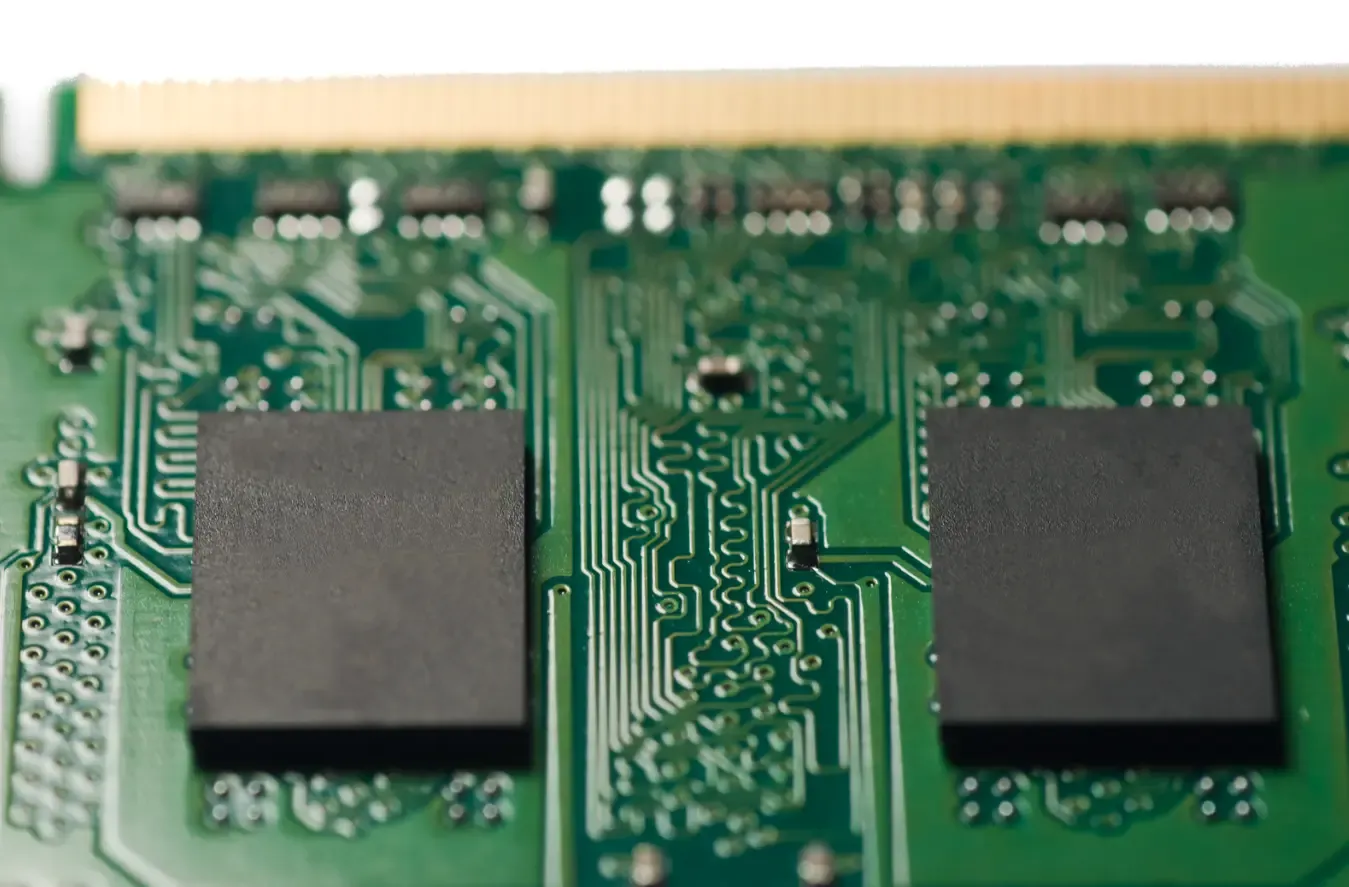
The global semiconductor industry is rapidly shifting away from legacy 2D NAND production, creating major sourcing challenges for OEMs and manufacturers that still depend on mature NAND memory technologies. As leading memory manufacturers redirect capacity toward AI-focused products like High Bandwidth Memory (HBM) and advanced 3D NAND, the market is experiencing a growing 2D NAND shortage that is affecting automotive, industrial, medical, aerospace, and embedded electronics sectors.
Spot prices for certain MLC NAND products have already increased more than 300% in less than a year, while production capacity for legacy NAND memory continues to shrink. For companies using long-life embedded systems, this shift creates serious risks related to supply continuity, redesign costs, and long-term component availability.
What Is 2D NAND?
2D NAND is a type of flash memory where memory cells are arranged horizontally on a flat silicon surface. It was the dominant NAND flash architecture for decades before manufacturers transitioned to vertically stacked 3D NAND technologies.
2D NAND Common Applications
- Industrial automation systems
- Automotive electronics
- Embedded Linux devices
- Medical equipment
- Aerospace
- Routers and networking hardware
- eMMC storage solutions
Why Legacy 2D NAND Is Still Important
- Long-term reliability
- High endurance
- Stable firmware compatibility
- Proven industrial qualification history
- Consistent lifecycle support
Because many embedded systems remain in production for 10 to 20 years, redesigning around newer memory technologies is often difficult, expensive, and time-consuming.
What Is Causing the 2D NAND Shortage?
The current 2D NAND shortage is primarily being driven by major memory manufacturers exiting mature NAND production in favor of higher-profit AI memory technologies.
Samsung Is Exiting 2D NAND Production
Samsung Electronics has begun shutting down its final 2D NAND production lines and has already issued end-of-life notices for several MLC NAND products.
The company is reallocating manufacturing capacity toward HBM memory, AI infrastructure products, and advanced 3D NAND.
This marks the end of Samsung’s 24-year history in planar NAND manufacturing.
Learn More: The Global Memory Chip Shortage – DRAM, DDR4, NAND Flash, and HBM Memory
Kioxia Is Phasing Out Legacy NAND
Kioxia has also announced plans to discontinue 2D NAND products, older-generation BiCS Flash and legacy TSOP-packaged NAND devices.
Industry reports indicate:
- Final orders will close soon
- Last shipments may continue through 2028
- Complete exit could occur by 2029
Micron Is Redirecting Capacity to AI Markets
Micron Technology has sharply reduced MLC NAND production while shifting wafer capacity toward advanced AI memory products.
This has further tightened supply across the global spot market for mature NAND memory devices.
2NAND vs 3D NAND: What Is the Difference?
Understanding 2D NAND vs 3D NAND technologies is important for OEMs evaluating long-term supply risks.
2NAND vs 3D NAND Feature Comparison
Memory Cell Layout
2D NAND: Horizontal planar cells
3D NAND: Vertically stacked cells
Density
2D NAND: Lower
3D NAND: Higher
Manufacturing Focus
2D NAND: Legacy products
3D NAND: Modern production
Cost Efficiency
2D NAND: Declining
3D NAND: Better scaling
AI/Data Center Usage
2D NAND: Limited
3D NAND: Primary choice
Industrial Compatibility
2D NAND: Strong legacy support
3D NAND: Application-dependent
Endurance
2D NAND: Excellent in SLC/MLC
3D NAND: Varies by generation
Long Term Availability
2D NAND: Declining
3D NAND: Expanding
3D NAND offers higher storage density and improved cost scalability, making it ideal for data centers and AI infrastructure. However, many industrial and embedded applications still rely on mature 2D NAND because of its predictable endurance and validated long-term reliability.
Why NAND Memory Prices Are Increasing
The global supply imbalance is driving rapid increases in NAND memory pricing.
Key NAND Memory Market Trends
- Global MLC NAND production capacity could decline by more than 40%
- MLC 64Gb spot prices have surged from approximately $6 to over $20
- Certain SLC and MLC devices have experienced monthly double-digit price increases
- Panic buying activity is increasing across industrial sectors
As manufacturers discontinue legacy production lines, the remaining available inventory becomes significantly more expensive.
Industries Most Affected by the 2D NAND Shortage
Most Vulnerable Industries
- Long product lifecycles
- Stable component availability
- High endurance memory
- Regulatory qualification stability
Industries requiring:
Automotive Electronics: Automotive systems often require decade-long supply continuity and validated component reliability.
Industrial Automation: Industrial controllers, PLCs, and embedded systems frequently rely on mature SLC or MLC NAND solutions that cannot be redesigned quickly.
Medical Devices: Medical equipment manufacturers face strict certification requirements that make component substitutions difficult.
Aerospace and Defense: Long program lifecycles and rigorous qualification standards make legacy NAND discontinuations especially disruptive.
Why Replacing Legacy NAND Is Difficult
Replacing mature NAND memory technologies is often far more complicated than simply selecting a newer part number.
What a NAND Memory Redesign May Involve
- Firmware redevelopment
- PCB modifications
- Requalification testing
- Software validation
- Regulatory recertification
- Reliability testing
For some manufacturers, redesign cycles can take years and cost significant engineering resources.
Additionally, many second-tier suppliers cannot fully replace the manufacturing capacity being removed by Samsung, Kioxia, and Micron.
How To Reduce NAND Supply Chain Risk
OEMs relying on legacy NAND memory should begin proactive supply planning immediately.
Recommended Strategies
Secure Long-Term Inventory
Establish strategic purchasing plans for critical NAND devices before shortages worsen.
Evaluate Lifecycle Exposure
- 2D NAND
- SLC NAND
- MLC NAND
- Legacy eMMC storage
Identify products still dependent on:
Begin Qualification Testing Early
Start validating alternative components before the current inventory becomes unavailable.
Work With Independent Distributors
- Obsolete NAND memory
- Hard-to-find flash components
- End-of-life inventory
- Allocation-sensitive devices
Independent distributors can help source:
The Future of Legacy NAND Memory
The global memory industry is unlikely to reverse course. AI infrastructure, advanced computing, and data center growth are now driving investment priorities for major semiconductor manufacturers.
Ongoing Challenges Facing Legacy NAND Memory
- Reduced production capacity
- Higher pricing
- Longer lead times
- Increased allocation pressure
For OEMs building long-life embedded products, securing reliable NAND supply chains is becoming increasingly important.
Securing Legacy NAND Supply in a Changing Market
The rapid decline of legacy 2D NAND production is creating new sourcing challenges across the industrial, automotive, medical, and embedded electronics sectors. As major memory manufacturers continue shifting capacity toward AI-driven technologies such as HBM and advanced 3D NAND, companies relying on mature NAND solutions may face longer lead times, allocation issues, and long-term availability concerns.
At Microchip USA, we reduce supply chain risk by sourcing hard-to-find, obsolete, end-of-life, and allocation-sensitive electronic components. From legacy MLC and SLC NAND devices to embedded memory solutions, we provide strategic sourcing and long-term procurement support.
If your products still depend on 2D NAND or other mature memory technologies, now is the time to review your supply strategy before market constraints tighten further. Contact us to discuss available inventory, alternate sourcing options, and long-term supply planning solutions.
Frequently Asked Questions About 2D NAND
What is 2D NAND?
2D NAND is a planar flash memory architecture where cells are arranged horizontally on the silicon surface. It was the standard NAND flash design before the adoption of vertically stacked 3D NAND technologies.
Why is there a 2D NAND shortage
The 2D NAND shortage is caused by major manufacturers discontinuing legacy NAND production and redirecting manufacturing capacity toward AI-focused memory technologies such as HBM and advanced 3D NAND.
What industries still use 2D NAND?
Industries that still rely heavily on 2D NAND include automotive electronics, industrial automation, medical devices, aerospace, defense, networking equipment, and embedded Linux systems.
What is the difference between 2D NAND and 3D NAND
The primary difference between 2NAND and 3D NAND is the memory cell structure. 2D NAND uses a horizontal planar layout, while 3D NAND stacks cells vertically to increase density and improve manufacturing efficiency.
Why are NAND memory prices increasing?
NAND memory prices are rising as legacy manufacturing capacity shrinks rapidly while demand from industrial and embedded markets remains strong.