
Semiconductor Raw Materials
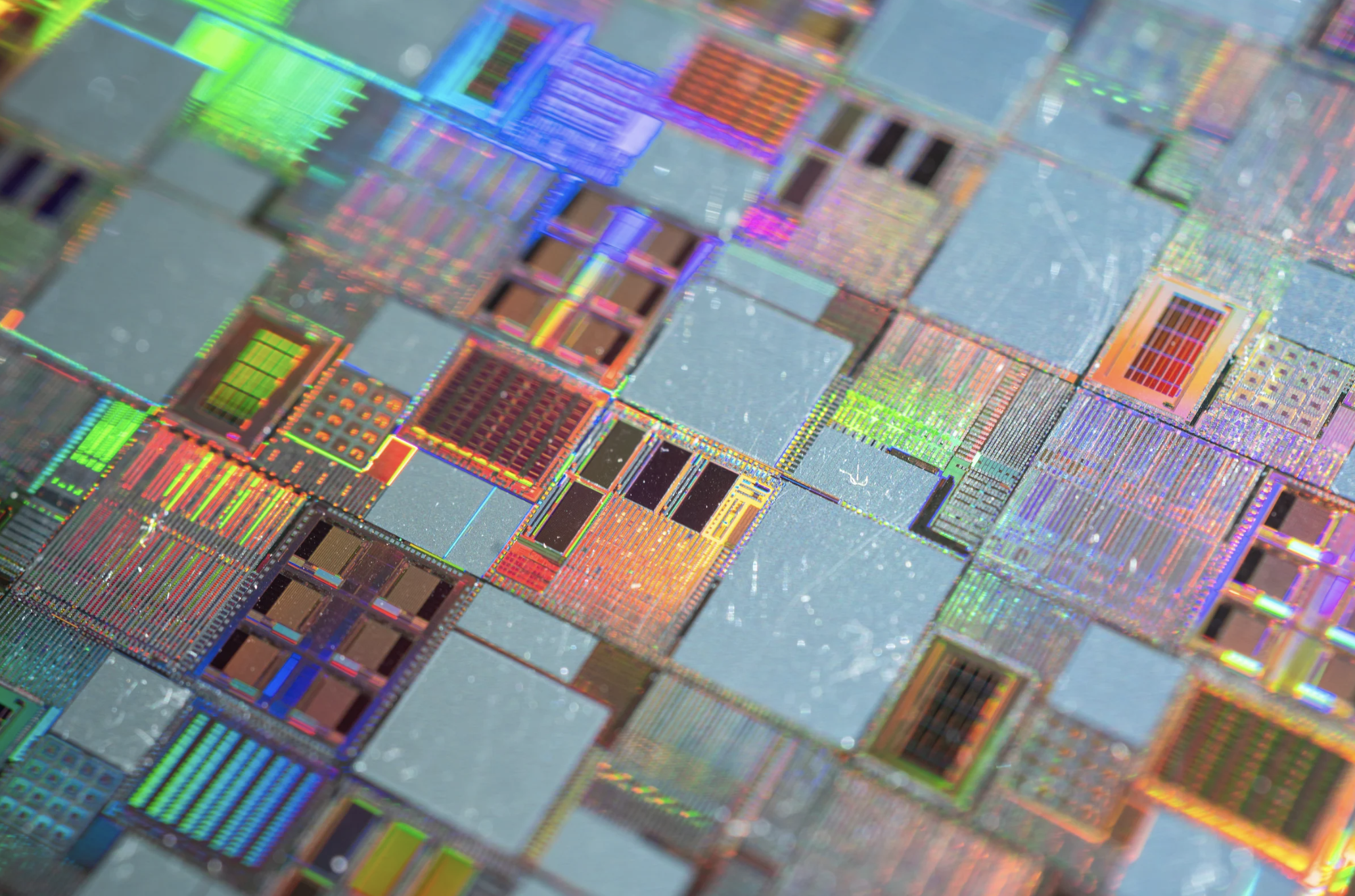
Semiconductors power everything from smartphones and vehicles to industrial systems and AI infrastructure, but behind every chip is a complex network of semiconductor raw materials that make modern electronics possible.
As global demand accelerates, the availability of these materials has become a strategic concern. While the mining of semiconductor supply chain materials happens worldwide, refining is heavily concentrated, creating risks that impact pricing, lead times, and long-term supply stability.
Understanding the role of critical minerals in the semiconductor industry is essential for navigating today’s volatile market.
What Are Semiconductor Raw Materials?
Semiconductor raw materials are the natural elements and metals used to produce semiconductors, including silicon, gallium, germanium, indium, copper, and cobalt.
These materials enable:
- Electrical conductivity and control
- High-frequency and optoelectronic performance
- Advanced chip manufacturing and packaging
Critical minerals in the semiconductor industry are essential not only for production but also for national security and global supply chain resilience.
Key Semiconductor Raw Materials and Their Functions
Each semiconductor is made from key raw materials that support its function and performance.
Primary Semiconductor Materials
Silicon
The foundation of nearly all integrated circuits
Gallium and Germanium
Critical to RF, photonics, and gallium germanium supply chains
Learn More: Gallium Market Growth and Semiconductors
Indium
Used in compound semiconductors and display technologies
Supporting Semiconductor Supply Chain Materials
Copper
Enables electrical interconnects
Cobalt
Essential for advanced node reliability and growing cobalt semiconductor use
Palladium
Supports plating and packaging
Titanium
Improves structural integrity and barrier performance
These materials collectively define the strength and stability of global semiconductor supply chain materials.
Why Semiconductor Raw Materials Are Critical to the Industry
Supply disruptions in even one material can impact entire semiconductor production lines.
Where Do Semiconductor Raw Materials Come From?
Semiconductor raw materials are mined globally but processed in a few key regions.
Major Mining Regions
- Africa – DRC (cobalt), Rwanda, Nigeria
- South America – Chile and Peru (copper)
- North America – United States and Canada
- Australia and Brazil
- Russia
While critical minerals in the semiconductor industry are globally sourced, refining remains concentrated, creating a significant imbalance in the supply chain.
Why China Dominates Semiconductor Raw Material Processing
China controls a significant portion of global refining for semiconductor supply chain materials.
Materials
- Gallium and germanium, impacting gallium germanium supply
- Cobalt, affecting cobalt semiconductor use
- Rare earth elements
China processes many of these materials into semiconductor-grade inputs, giving it influence over global pricing and availability.
How China Built Its Supply Chain Advantage
China’s dominance in critical minerals in the semiconductor industry is driven by:
- Long-term state investment
- Low-cost refining infrastructure
- Strategic mining acquisitions in regions like the DRC
- Vertical integration from extraction to processing
- Export controls as a geopolitical tool
China’s Export Controls: What It Means for Supply Chains
China has imposed restrictions on:
- Gallium
- Germanium
- Rare earth elements
These controls directly affect gallium-germanium supply chains, leading to increased pricing volatility and supply uncertainty for manufacturers worldwide.
The DRC’s Role in Semiconductor Raw Materials
The Democratic Republic of Congo (DRC) supplies approximately
75% of the world’s cobalt, making it essential to semiconductor and electronics production.
Why the DRC Matters
- Central to cobalt semiconductor use
- Key supplier of copper and other minerals
- Critical upstream source in the global supply chain
Key Challenges
- Political instability
- Limited refining infrastructure
- Foreign-controlled mining operation
China + DRC: A Two-Layer Supply Chain Dependency
The global supply chain for semiconductor raw materials often follows this path:
Extraction in the DRC → Refining in China
This creates a dual dependency:
- The DRC for raw material supply
- China for processing and refinement
This structure increases geopolitical risk and supply chain vulnerability across semiconductor supply chain materials.
Project Vault: Reducing Dependence on China
Project Vault is a Western initiative aimed at securing access to semiconductor raw materials and reducing reliance on China.
Key Goals
- Expand refining capacity outside China
- Strengthen partnerships for critical minerals in the semiconductor industry
- recycling
- Support domestic mining and production
- Stabilize gallium germanium supply
Strategic Implications for the Semiconductor Industry
From our perspective at Microchip USA, one of the most critical risks in today’s semiconductor market is the geographic concentration of semiconductor raw materials and refining capacity.
We are seeing in real time how disruptions in semiconductor supply chain materials, driven by export controls, geopolitical tensions, and limited processing infrastructure, directly impact component availability, lead times, and pricing stability across global markets.
As demand for advanced technologies accelerates, access to critical minerals in the semiconductor industry is becoming a defining factor in supply chain resilience.
What This Means for the Semiconductor Industry
Rising Supply Chain Risk: Competition for critical minerals used in semiconductors is intensifying, increasing exposure to supply chain disruptions and regional instability.
Gallium and Germanium Supply Constraints: Ongoing gallium and germanium supply shortages are impacting key applications, including RF components, photonics systems, and high-performance semiconductor devices.
Cobalt Demand in Semiconductor Production: The growing role of cobalt in semiconductor manufacturing, especially in advanced nodes and energy storage, continues to strain an already limited global supply.
Shift Away from Single-Source Procurement: Reliance on single-region or single-supplier sourcing is no longer sustainable. Diversified semiconductor sourcing strategies are now essential for long-term procurement success.
Our Perspective as a Global Semiconductor Supplier
At Microchip USA, we actively monitor global semiconductor raw material trends to identify supply constraints before they impact our customers.
Through our international network, we maintain visibility into:
- semiconductor material
- Early warning signals of gallium and germanium shortages
- Market pressure linked to cobalt demand and advanced semiconductor manufacturing
This enables us to proactively support our customers with electronic components sourcing, access to excess inventory, and supply chain risk mitigation strategies.
Why Semiconductor Raw Materials Matter for the Future
Semiconductor raw materials are the foundation of modern technology, and one of the most critical supply chain challenges today.
Key factors driving global semiconductor material supply risks:
- Mining is global, but refining is concentrated
- China dominates the processing of key materials
- The DRC plays a vital role in cobalt supply
- Initiatives like Project Vault aim to rebalance the market
As demand continues to grow, companies that treat semiconductor raw materials as a strategic priority and invest in reliable electronic components sourcing are better positioned to maintain supply continuity and competitive advantage.